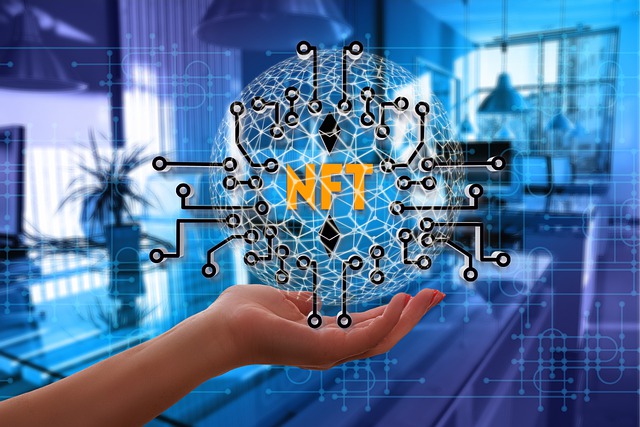
NFTs Revolutionize Digital Art
Introduction:
In recent years, the world of digital art has undergone a remarkable transformation with the emergence of Non-Fungible Tokens (NFTs). These unique digital assets have taken the art world by storm, sparking debates, making headlines, and revolutionizing how we perceive and trade art. In this blog, we will delve into the fascinating world of NFTs, exploring what they are, why they have become a trending topic, and their potential impact on the art industry and beyond.
Understanding NFTs:
NFTs are digital tokens that represent ownership or proof of authenticity of a specific digital asset, such as artwork, music, videos, or even virtual real estate. Unlike cryptocurrencies like Bitcoin or Ethereum, which are fungible and can be exchanged on a one-to-one basis, NFTs are unique and cannot be exchanged on an equal basis. Each NFT has distinct characteristics, making it one-of-a-kind and easily verifiable on the blockchain, the decentralized digital ledger that serves as a record of ownership.
The NFT Boom:
NFTs gained significant attention in early 2021 when a digital artwork by the artist Beeple, titled “Everydays: The First 5000 Days,” sold for a staggering $69.3 million at a Christie’s auction. This historic sale brought NFTs into the mainstream, triggering a frenzy of interest from artists, collectors, and investors alike. Since then, numerous high-profile celebrities, musicians, and athletes have jumped on the NFT bandwagon, creating and selling their own digital artworks as NFTs.
Unique Benefits of NFTs:
Authenticity and Ownership: NFTs provide a transparent and immutable way to prove ownership and authenticity of digital assets. Artists can create limited editions of their work, ensuring the scarcity and exclusivity of their creations.
Direct Artist Revenue: NFTs allow artists to retain a significant portion of the sales proceeds by incorporating smart contracts. These contracts enable artists to receive royalties every time their NFT is resold, providing a potential long-term revenue stream.
Empowering Digital Creators: NFTs have democratized the art world, empowering digital creators who were previously underserved or underrepresented. Artists can now monetize their work directly, without relying on intermediaries or traditional art market gatekeepers.
Challenges and Controversies:
Despite their rapid rise, NFTs have also faced criticism and controversies. Environmental concerns have been raised due to the significant energy consumption of blockchain networks like Ethereum. Additionally, the market has seen instances of plagiarism, copyright infringement, and fraud, highlighting the need for increased regulation and protection for artists and buyers.
The Future of NFTs:
While the NFT market experienced a surge in popularity, it is still in its early stages, and its long-term sustainability and impact remain uncertain. However, the underlying technology and concept of tokenizing assets have far-reaching potential beyond the art world. NFTs could revolutionize the gaming industry, real estate, collectibles, virtual identities, and more, creating new opportunities for creators and collectors alike.
Conclusion:
The rise of NFTs has ushered in a new era for digital art, offering artists unprecedented opportunities and collectors a novel way to own and trade digital assets. While the future of NFTs remains dynamic and subject to evolution, their impact on the art industry and beyond is undeniable. As the technology matures and challenges are addressed, NFTs have the potential to reshape how we perceive, value, and exchange digital assets in the digital age.
 Site Title
Leave a comment